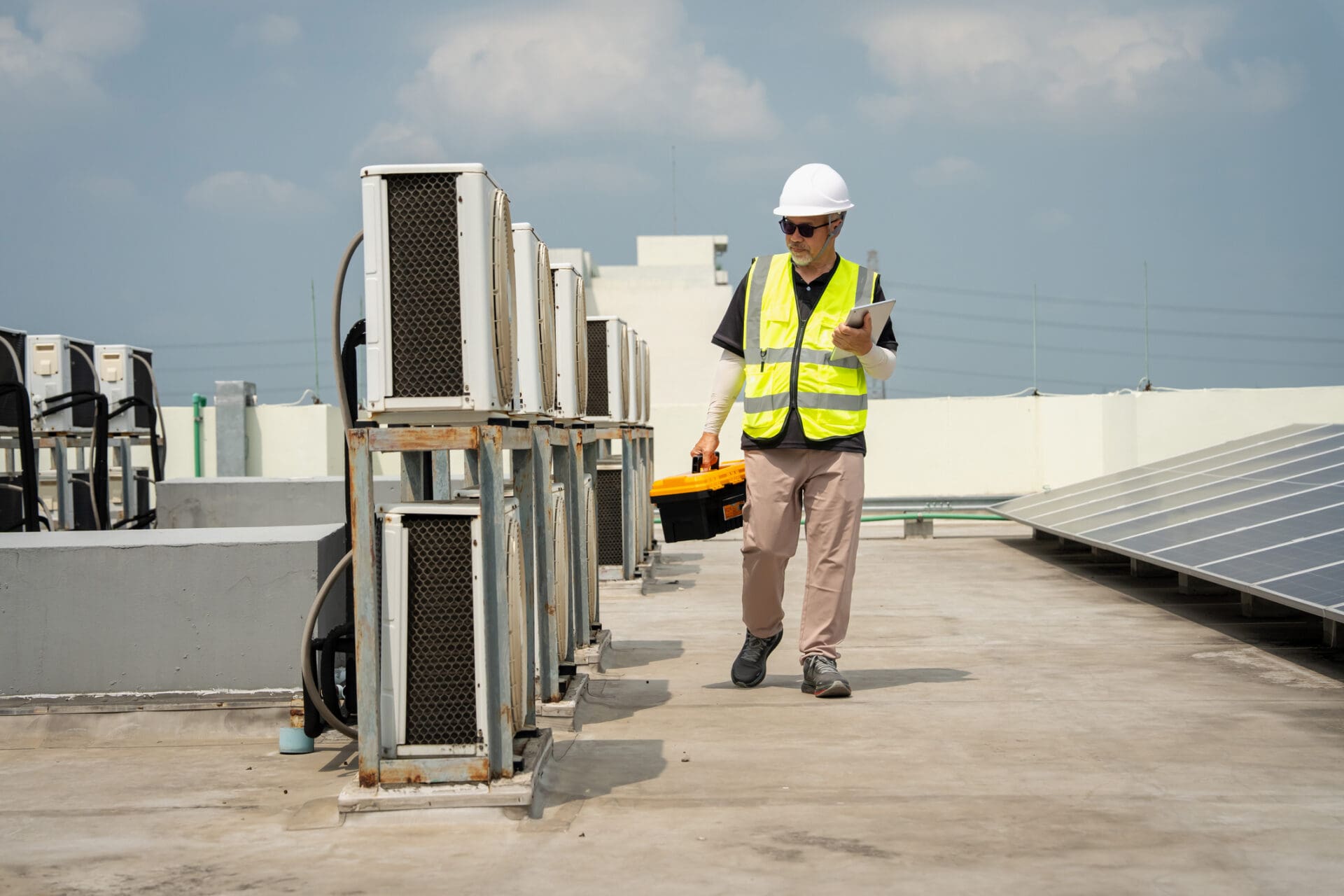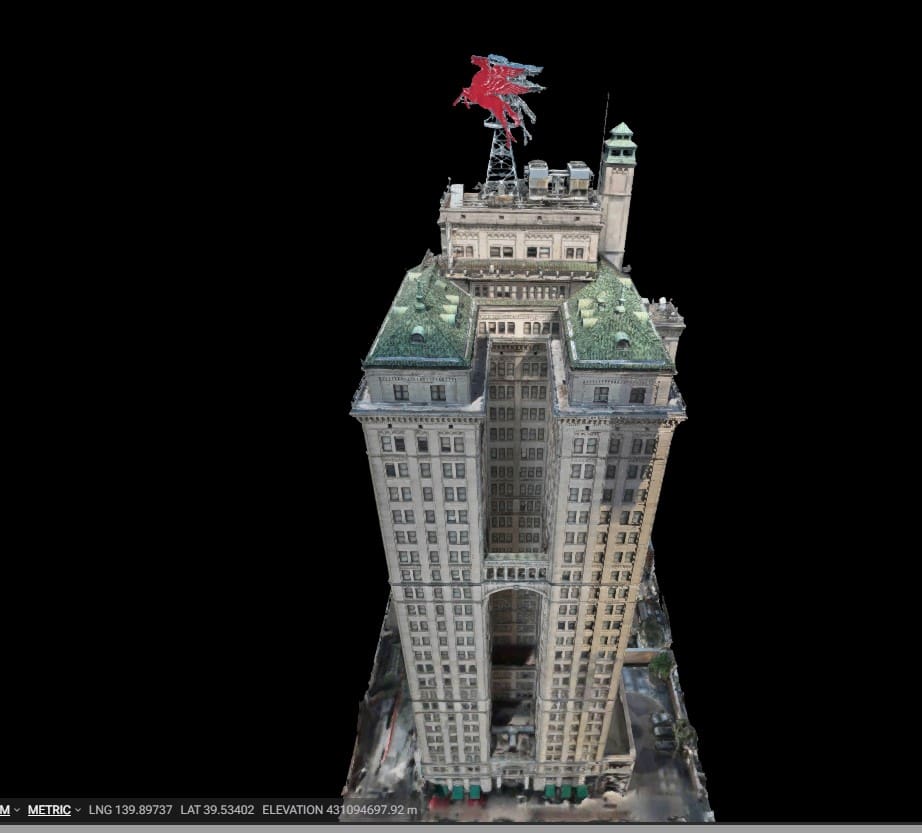



Webster’s Dictionary doesn’t have a definition for BECx yet (we keep emailing them), but if it did, it would say something like this: Building Enclosure Commissioning (BECx) is a rigorous quality assurance process that aims to optimize, verify, and document the performance of building enclosures throughout the building lifecycle.
Think of it as an advanced level of quality control for a building’s exterior. This includes all six sides of the structure: walls, roof, fenestrations, weather barriers, sealants, and everything else that keeps the weather out and comfort in. We want these systems to perform their functions throughout their entire useful life, ensuring a resilient structure that has controlled costs of operation and maintenance. The way to accomplish this is through control of key variables that all conspire to challenge the enclosure every day of its lifecycle.
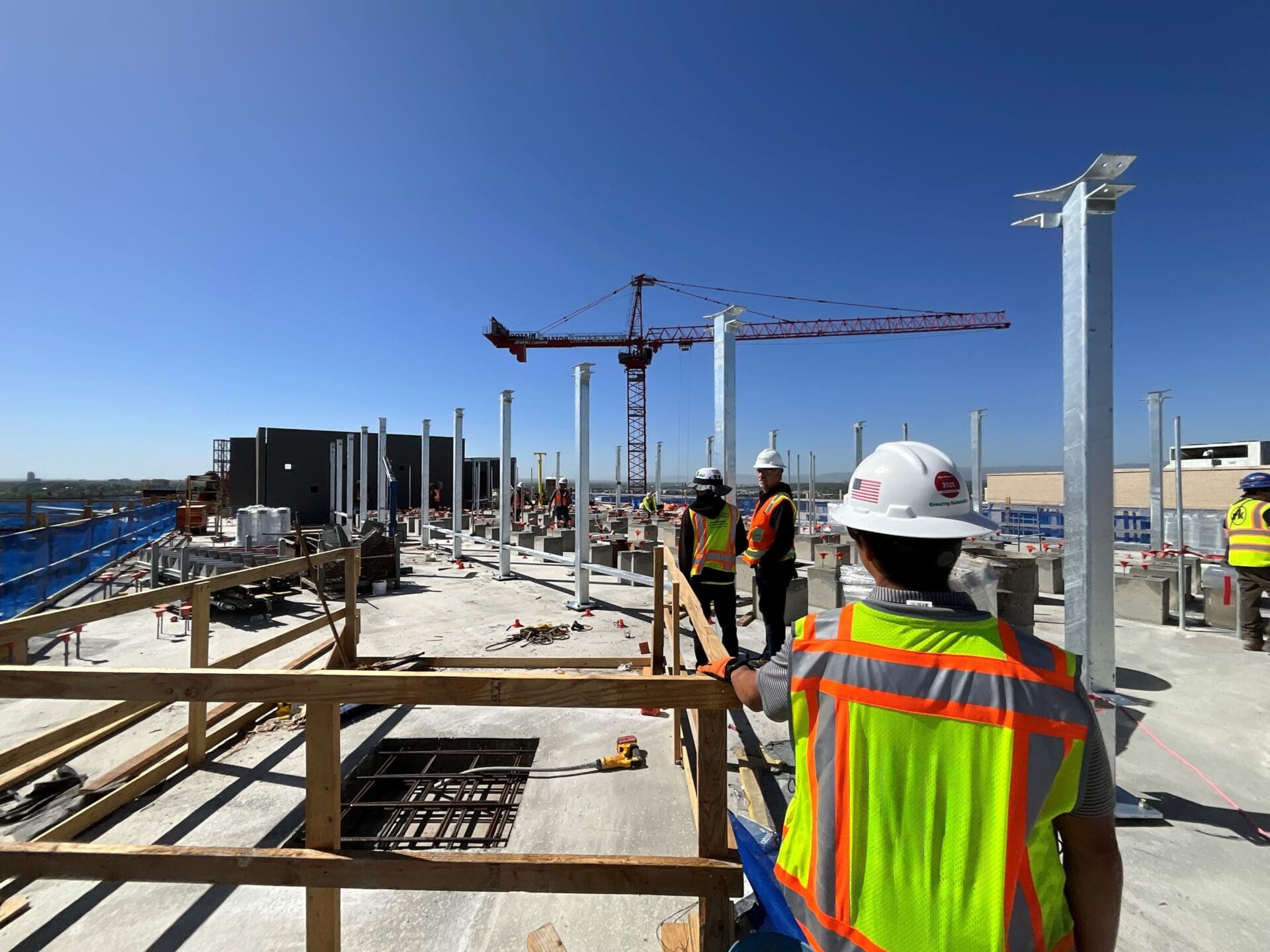
The Basics: Four Variables Every Building Must Control
- Water — Keep rain and moisture out
- Air — Stop drafts and air leaks
- Heat — Keep warm air in during winter, and out during summer
- Vapor — Manage moisture in the air to prevent condensation and hidden damage
When any of these fail, you get leaks, organic growth, high energy bills, expensive repairs, and reduced profitability.
A Word About Air:
Water is the most obvious variable in the list above that must be controlled. It gets our attention every time we have a rain event. But controlling air leakage is often more important than expensive vapor barriers. Why? Because air carries moisture with it. Stop the air leaks and you’ve solved a large set of moisture problems.
Modern building codes now require continuous air barriers on most new construction.
Who Uses Building Enclosure Commissioning?
Short answer: Anyone who wants to avoid expensive building failures.
BECx is most common on:
- LEED projects– Contributes to LEED Certification points and ensures predicted energy usage is accurate to actual energy usage
- Healthcare facilities– Protects sterile environments while balancing operational efficiency
- Universities and government buildings– Promotes environmental stewardship and boosts eligibility for financial incentives and grants
- Airports– Prevents operational disruptions and builds enclosure resiliency
- Complex commercial buildings– Identifies design gaps and tests the enclosure performs as a unified system
- High-rise multifamily projects– Mitigates risk and improves occupant comfort
But the process scales—complicated projects get more testing and oversight; simpler projects get less. Any building can benefit.
The Building Enclosure Commissioning process typically includes:
- Design reviews — Catching problems on paper before construction starts
- Construction oversight — Making sure installation matches the design
- Testing — Verifying that assemblies actually perform (mockups, water testing, air barrier testing)
- Documentation — Giving you a record of what was built and how it performs
Why Does This Matter?
The building enclosure is your first line of defense—but when air and water infiltration go unchecked, they drive energy loss, deterioration, and safety risks. Building Enclosure Commissioning (BECx) takes a proactive approach, ensuring a high-performing enclosure that improves efficiency, extends building life, and protects occupant health and safety.
A building enclosure commissioner helps you achieve that by:
- Translating your goals into specific performance requirements
- Reviewing designs to catch potential problems early
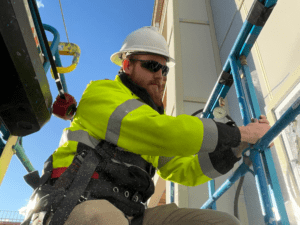
- Visiting the site during construction to verify proper installation
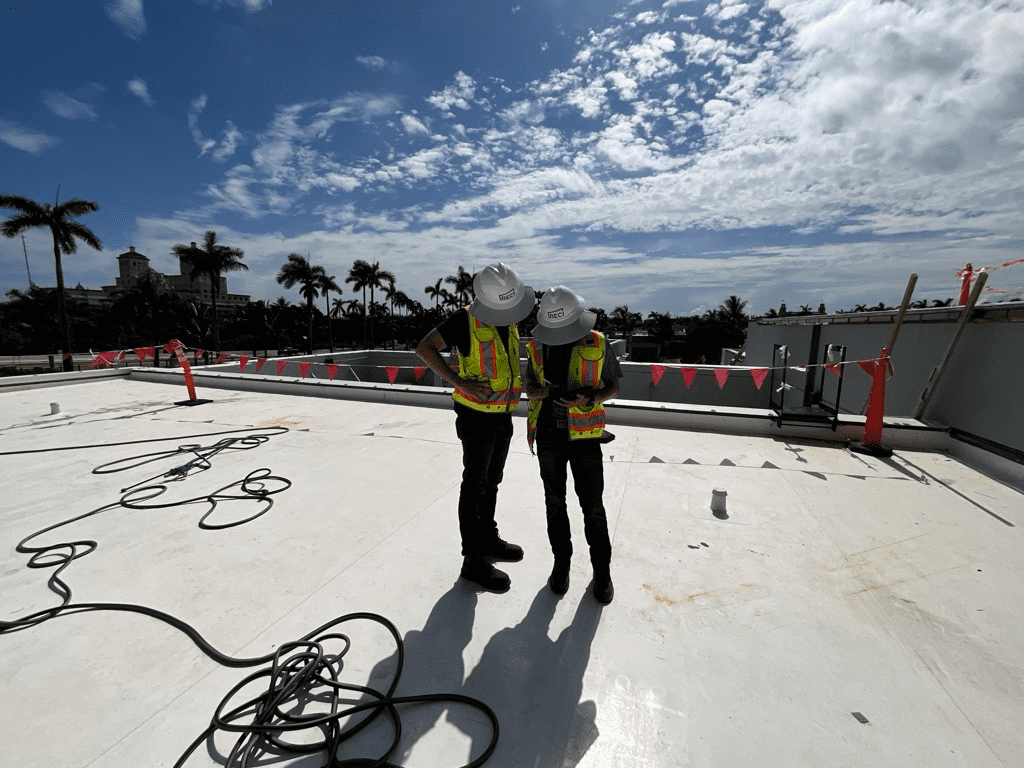
- Testing wall and roof assemblies before the building is finished
- Conducting a final walk-through before you take ownership, as well as an 11th-month warranty walk to confirm there are no issues that should be covered under your new building’s warranties
- Giving you comprehensive, organized documentation that proves the building was built right
The results: Fewer callbacks, lower energy bills, predictable maintenance and repair costs, and greater resale value.
The Bottom Line
Building enclosure failures are expensive and disruptive. Water intrusion, air leakage, and energy loss don’t fix themselves—and by the time you notice the problem, the damage is often extensive.
BECx prevents these failures by ensuring that your building’s exterior is designed correctly, built correctly, and tested before occupancy.
About BECI
BECI provides expert building enclosure consulting services for new and existing construction. With a focus on sensible spending, stakeholder collaboration, and long-term building resilience, BECI helps clients minimize risk and extend the life of their assets.
If you have any questions, don’t hesitate to reach out and connect with our experts.