

Charlotte added more new residents last year than any other city in America. Not “one of the fastest.” Not “near the top.” Number one. 20,731 people moved in between July 2024 and July 2025, pushing the city’s population to 964,784 and making it the nation’s 14th-largest city.
Charlotte is adding residents faster than cities three times its size, and our city’s residents can feel that growth everywhere: new rooftops, new mixed-use developments, new hotels, new everything. It’s the kind of growth most cities would kill for.
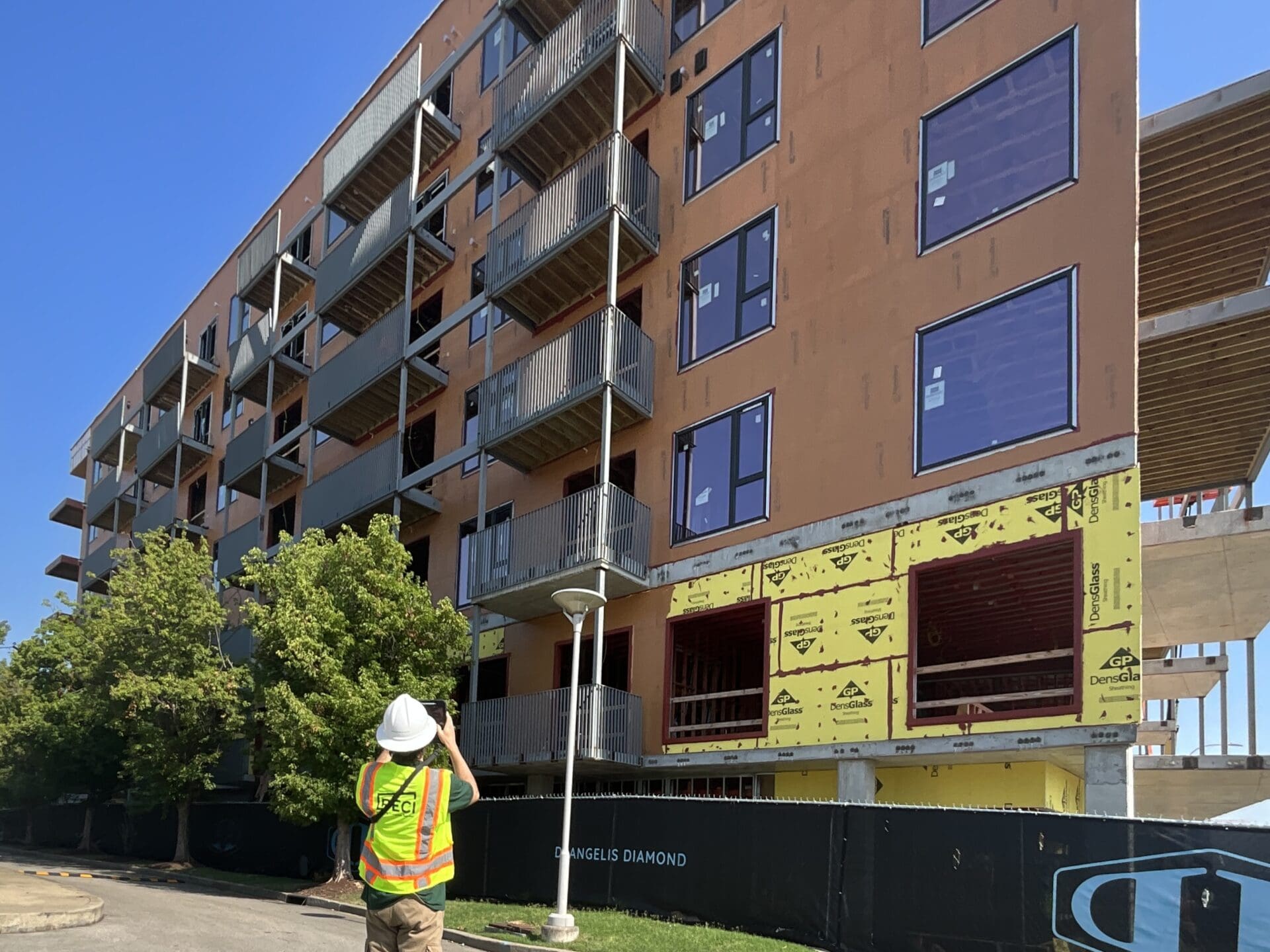
Cranes on the skyline and backed-up permit offices tell the story of growing pains and challenges that make building in the Queen City an arduous task at best. And Charlotte isn’t alone in this. The same boom is playing out across the Southeast and in growth markets all over the country.
The Problem Nobody Wants to Say Out Loud
Here’s the uncomfortable truth: demand is straining the construction industry’s ability to deliver safely and with quality. It’s not one thing breaking. It’s four different pressure points flaring up simultaneously, and they feed each other:
- Labor gap
- Scheduling pressure
- Escalating material costs
- Quality, which is usually the first casualty when the first three collide
1. The Labor Shortage Nobody’s Fixed
Hiring rates are up. Crews are growing. But there’s still a real, persistent labor shortage across the country, and simply adding bodies doesn’t solve it. More hires means more inexperienced hires, and that’s created a widening knowledge gap on job sites.
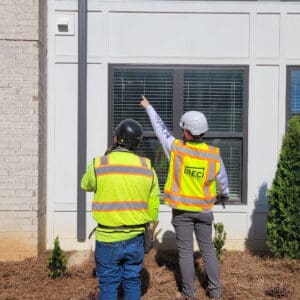
The people showing up to do the work today often haven’t had the years in the field that used to be standard before someone picked up a trowel or craned a truss into place. That means codes and standards, the stuff that keeps buildings watertight and structurally sound, are increasingly unknowns to the very teams installing the work. That’s not a knock on the workers. It’s a systemic gap, and it shows up in the finished product.
2. Scheduling: Something Has to Give
When demand is this high, schedules get compressed. Owners and developers want delivery dates that used to be considered aggressive but are now being treated as standard. Something has to give to hit those dates, and too often what gives is the number of inspection and QA checkpoints built into the process.
Fewer checkpoints means fewer chances to catch a problem before it’s buried behind drywall or sealed under a roofing membrane. It’s the fastest way to shave time off a schedule, and one of the most expensive ways to do it in the long run.
3. Rising Costs Push Teams Toward Shortcuts
Material costs keep climbing, and budgets don’t always climb with them. So something gives there too: lower-quality materials start finding their way onto projects that were originally specified for something better.
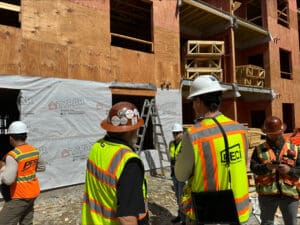
The problem is that the cost of this decision doesn’t show up today. It shows up two, five, or even ten years down the road as a leak, a failure, or a call nobody wants to make. Installation methods and materials need to be tested and verified, not assumed, because by the time a shortcut fails, it’s rarely cheap to fix.
4. Quality Doesn’t Make the Cut
Put the previous three pressure points together—experienced labor shortages, compressed schedules, and rising material costs—and quality is what gets quietly traded away. It’s rarely a deliberate decision. It’s death by a thousand small concessions. One less inspection here. One cheaper material swap there. One experienced eye that isn’t on-site when it should be.
The Opportunity: You Don’t Slow Growth, You Build Smarter Checkpoints
Here’s the good news. The answer isn’t to slow down growth. Nobody wants that, and frankly, nobody needs to accept quality problems as the inevitable cost of a booming market.
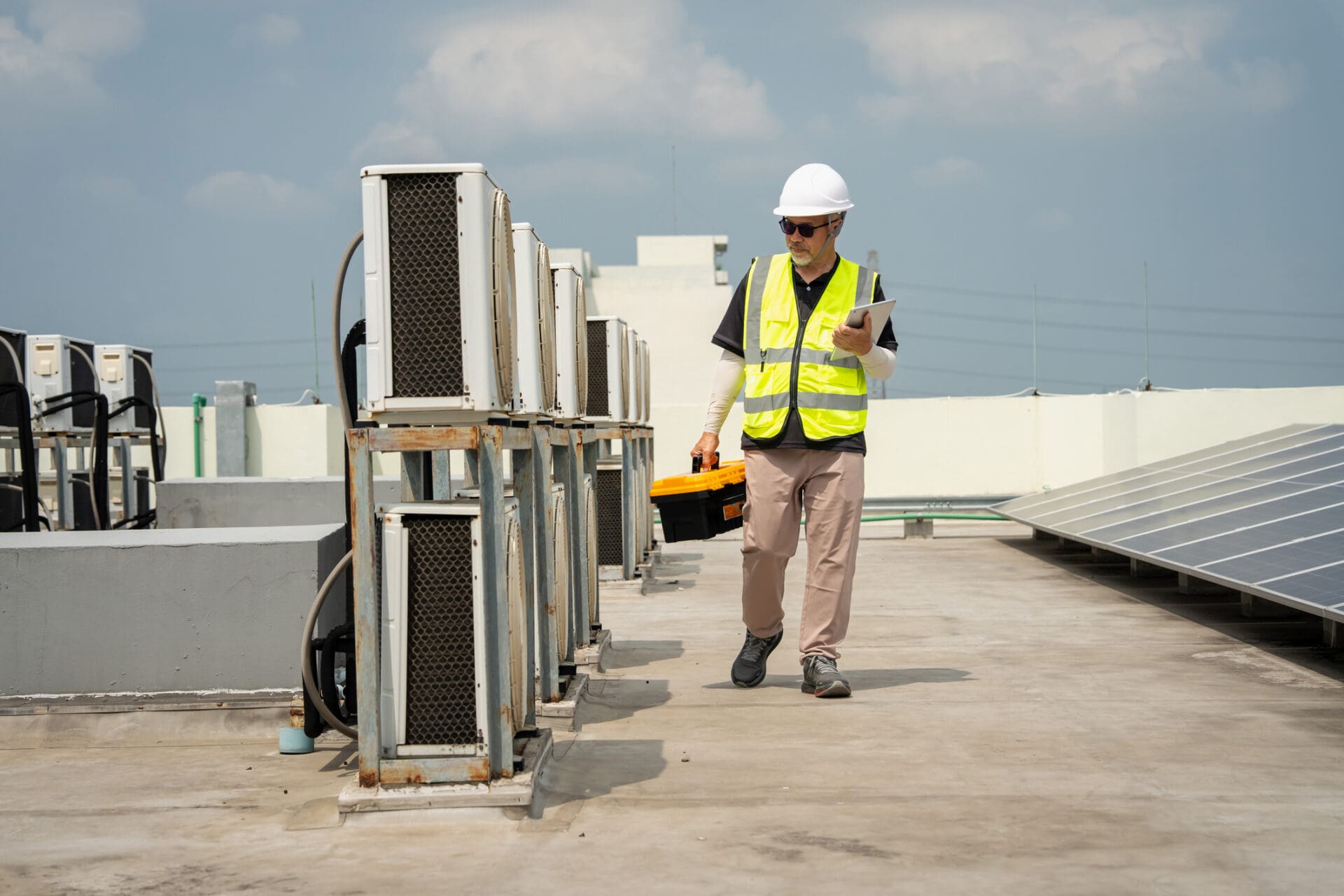
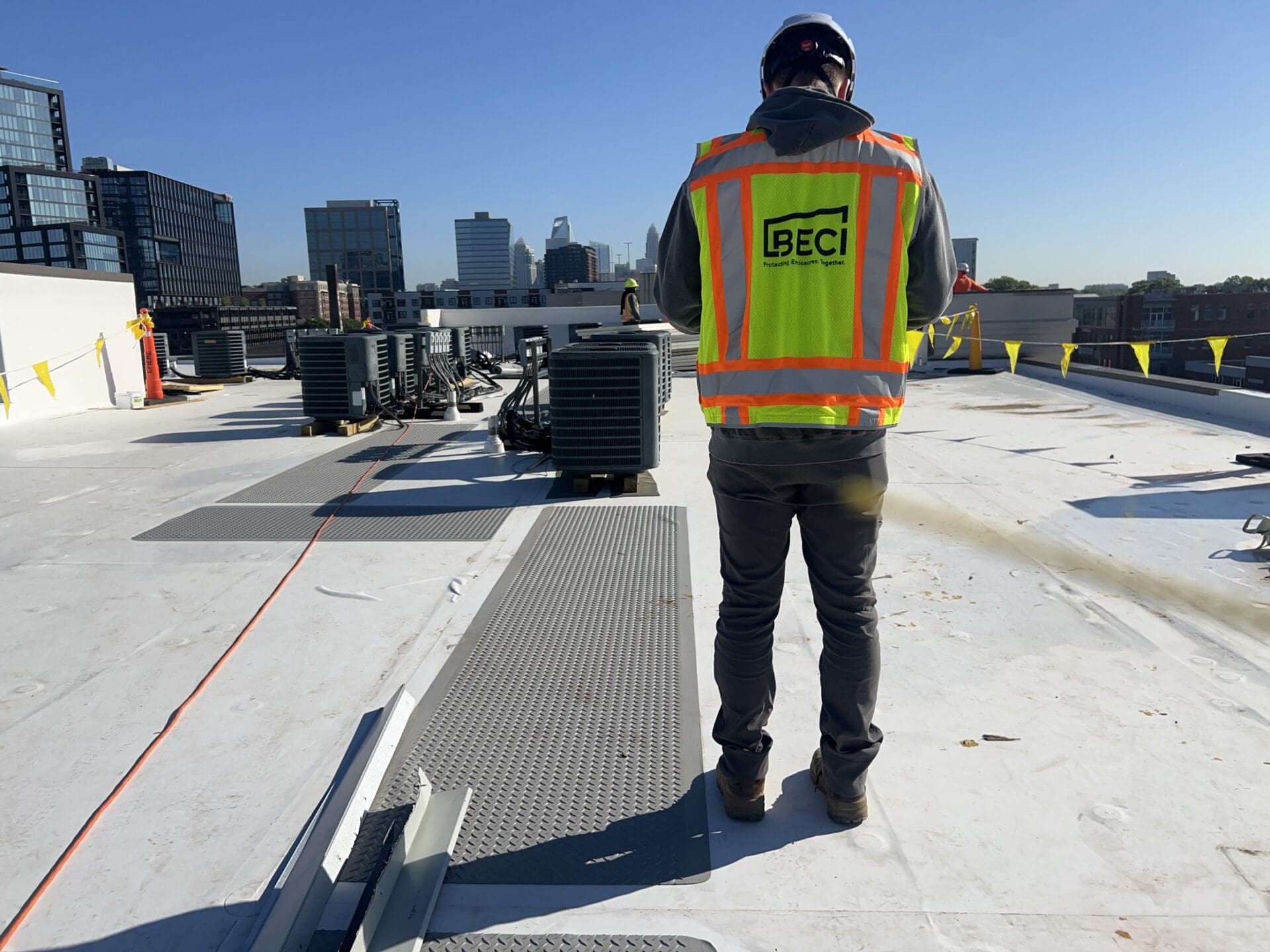
The solution is building the right checkpoints into the process, ones that don’t rely on an already-stretched project team to catch everything themselves. That’s where a third-party consultant earns their keep. An independent set of eyes, with no stake in hitting an arbitrary delivery date, is in the best position to verify that what’s being built matches what was specified and what the code actually requires.
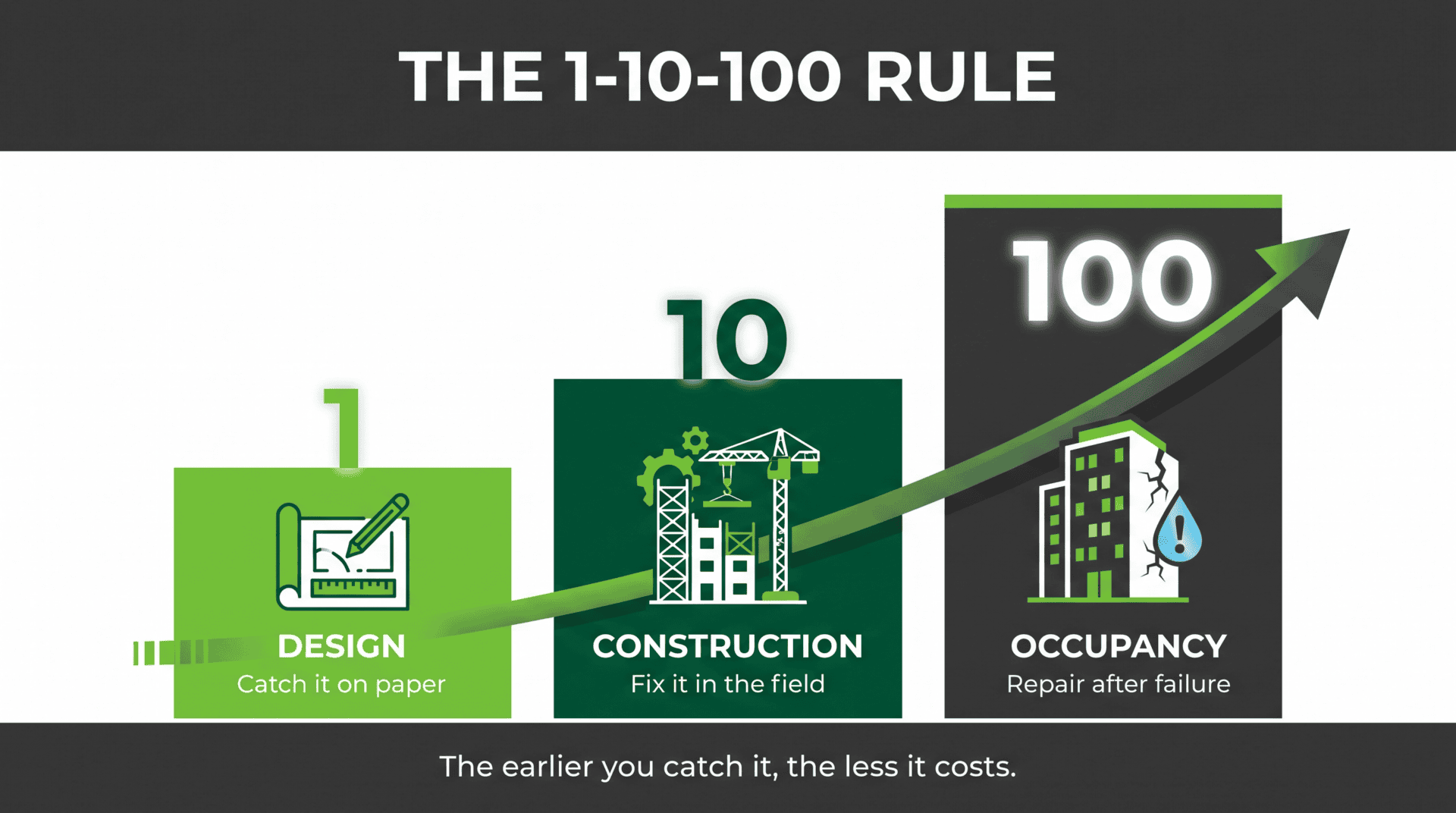
QA isn’t a line item to cut when budgets tighten. It’s the insurance policy against the exact failures this kind of growth tends to produce. Get it right during construction and you avoid getting dinged years later, when the fix costs ten or even a hundred times what the inspection would have.
Charlotte’s growth is a good problem to have. Whether it stays a good problem depends on what gets built, and how carefully.
About BECI
BECI provides expert building enclosure consulting services for new and existing construction. With a focus on sensible spending, stakeholder collaboration, and long-term building resilience, BECI helps clients minimize risk and extend the life of their assets.
If you have any questions, don’t hesitate to reach out and connect with our experts.