

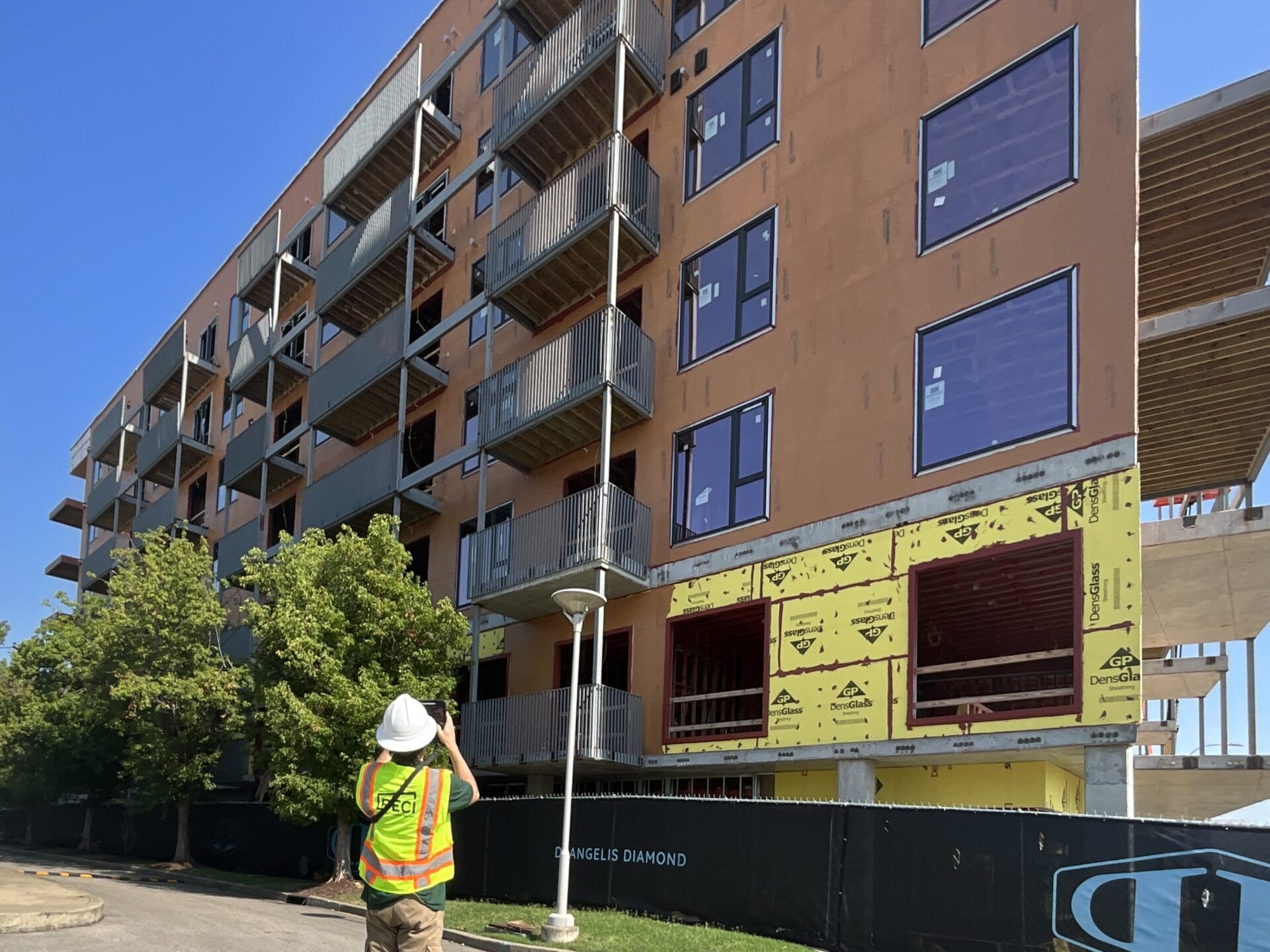

Attainable building is simple.
On attainable builds, start with the end in mind and find a way to clearly communicate that expectation.
For everyone involved, attainable building can feel more complex than market rate. The math can be incredibly challenging for developers. The menu of materials for designers to specify feels smaller, and the VE (value engineering process) can be brutal. Builders and trades feel pushed to achieve a quality build while staying with smaller budgets. At the center of it all is cost control, because that’s the whole point of attainable building.
We agree: attainable feels complex because it forces us to do more with less. But each attainable build still requires the same basic process and standards to be successful. Cost, schedule, and quality must be balanced without allowing any one priority, especially cost, to drive every decision.
We already have a strained labor force in most markets due to both knowledge gaps and labor shortages. At the same time, we know that materials are not getting cheaper. With those realities in mind, we should place the appropriate emphasis on getting the job done with all three priorities in view, while focusing our quality efforts where they can have the greatest impact.
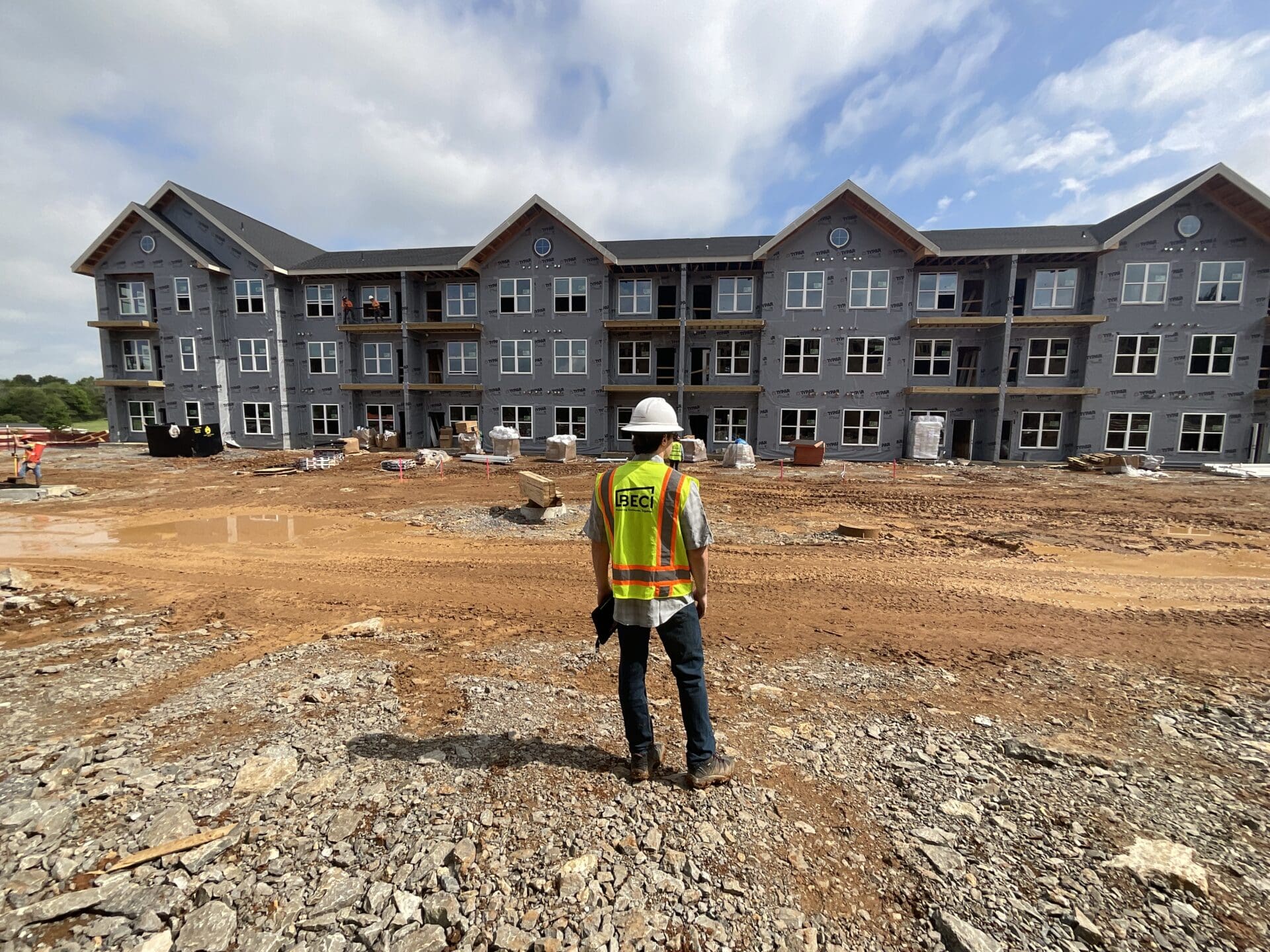
Build it once.
Quality plays a critical role in both cost and schedule because we only want to build it once. If we can build it right the first time, the project has the best opportunity to stay on schedule and within budget.
The best way to do that is through an intentional investment in the quality program within the project team. A well-designed quality program allows for a deliberate approach. It keeps the right people informed and moving at the same time. It creates a simple process that leads to a more effective team.
At its simplest form, quality is about precision—bringing the right people together at the right time to address the right issue.
You don’t need to have every detail figured out on day one. You just need to have a great plan to involve the right people when their expertise matters. The plumber does not need to be in a meeting covering FF&E, but they should absolutely be involved in a discussion about setting shower drains at the correct elevation. The timing is critical, because that timely involvement of the right subject matter expert prevents a design problem from becoming a field problem.
We do not necessarily need to determine the sequencing of the roofer, HVAC contractor, and electrician on day one of the project. We do need to understand that sequencing before we begin drying in the roof deck.
A good quality program brings the right people to the table at the right time to determine the right action for the project.
It really can be that simple. And simple is what is necessary to drive down risk, scope creep, rework, and extended project durations.
The Expectations.
So, who is responsible for establishing a quality program on an attainable project?
Everyone.
The developer should establishes the quality expectations through the Owner’s Project Requirements. It sounds formal, but it can be simple. (More on that later.)
The Architect should reinforces quality through the drawings, specifications, and scope. That may sound like added cost, but clarity is almost always more cost-effective than ambiguity and uncertainty.
The General Contractor is then responsible for executing the quality program and cascading those expectations to the people performing the work.
So let’s talk about this flow of responsibility.
Let’s start with the Owner’s Project Requirements.
The term has largely made its way into the industry through the building commissioning process, which may sound excessive for an attainable project. Do not let the formality of the term become a barrier. In practice, the OPR is simply a way for the Owner to communicate expectations beyond, “build this.”
For example, an owner could use the OPR to establish a requirement as simple as:
“First-work meetings will be conducted at critical project milestones with the Architect, General Contractor, pertinent subcontractors, and relevant manufacturers.”
That one single requirement creates a mechanism for communication at the right time and with the right parties.
The team reviews the work as it begins, aligns on expectations, resolves questions, and then moves into production.
Done correctly; this should not require significant additional cost or duration. In many cases, it can prevent both.
Expectations for Actual Project Documents.
Of course, the OPR can go further, depending on the project. An Owner might establish warranty expectations, such as a 10-year warranty for sealants or a 20-year warranty for roofing. The important point is that the requirements should be simple, sensible, and appropriate for the project type.
From there, it becomes the responsibility of the rest of the project team to carry those requirements forward.
The Architect has the opportunity to translate the OPR into project drawings, scope, and specifications. Detailing and specification language can turn an Owner’s expectation into an enforceable project requirement and connect the General Contractor’s scope to that expectation.
For example, the “first work” meetings could be specifically required for portions of the building that are most critical to successful performance.
Critical portions might include:
- Weather-resistive barrier installation
- Roofing
- Site grading and drainage
- Electrical penetrations
- Unit layout
- Waterproofing
- Other repetitive and high-risk conditions
The exact list will vary from project to project.
What matters is that the expectation is established before work begins.
The General Contractor
With expectations established, the General Contractor puts the quality program into action.
They call the meetings. They make sure the appropriate people are present and contributing. They coordinate the work. Most importantly, they ensure that the decisions made in those meetings are carried into the field as the project progresses.
The General Contractor may be the glue that implements the program, but it takes the entire team to set expectations early and communicate at the right times.
An appropriate quality program for an attainable build is not about adding unnecessary process or cutting corners. It is about adding value at the right time within the project.
It starts by setting appropriate expectations through the OPR. Those expectations are then incorporated into the project documents, reinforced through first-work meetings, and cascaded into the field until the last nail is driven.
It is simple.
And for attainable housing, simplicity may be exactly what makes higher standards attainable.
About BECI
BECI provides expert building enclosure consulting services for new and existing construction. With a focus on sensible spending, stakeholder collaboration, and long-term building resilience, BECI helps clients minimize risk and extend the life of their assets.
If you have any questions, don’t hesitate to reach out and connect with our experts.