

July: the hottest month of the year. It has arrived, and along with it came a record heatwave across the United States to prove its title.
Higher temperatures means higher energy bills. But sometimes, the high bills keep coming in, and the inside just doesn’t reflect the price you’re paying.
Is your AC cranked but it feels like the temperature just won’t go down? Here’s a few tips and tricks to prevent heat from sneaking indoors through your building envelope and increasing your energy bills:
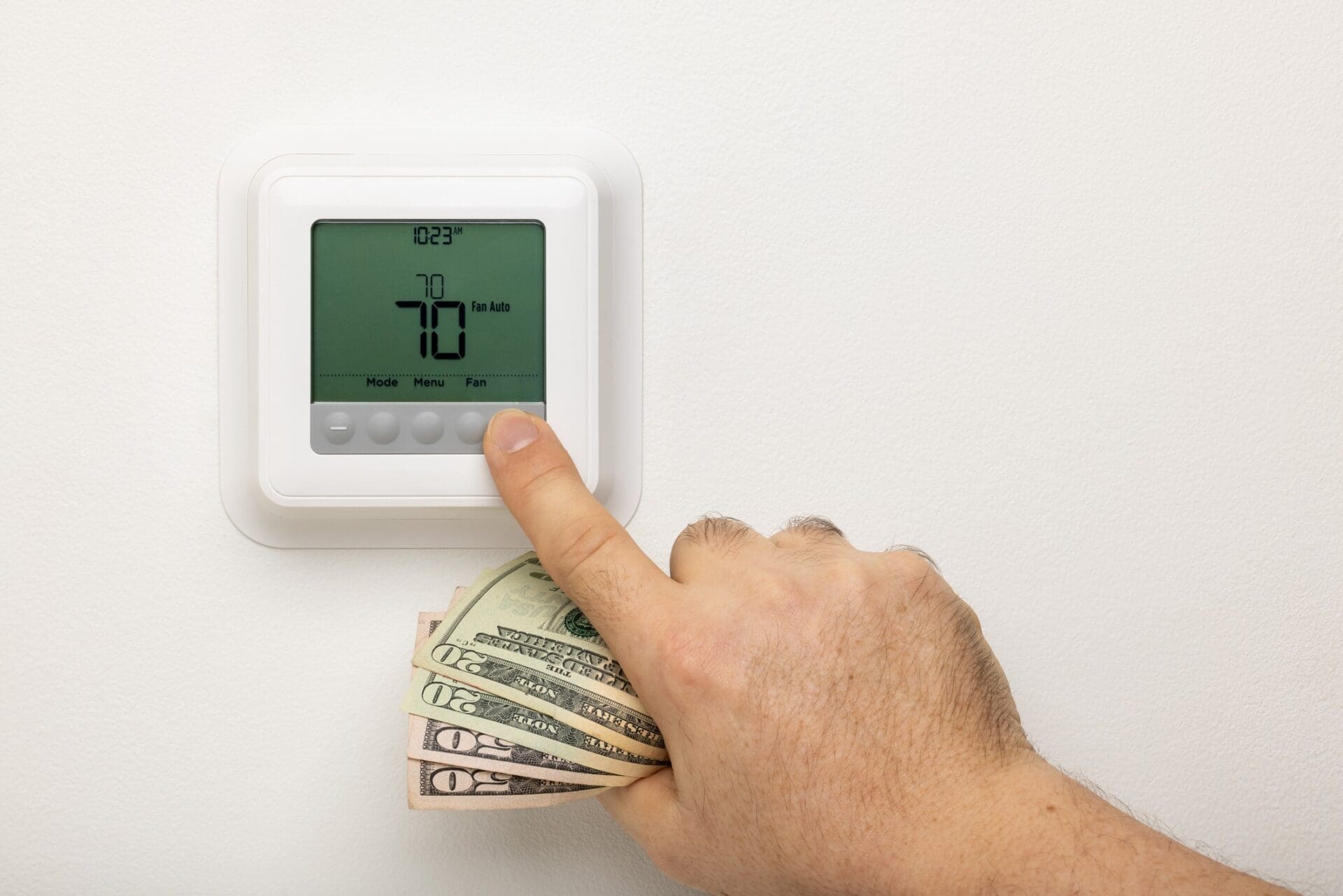
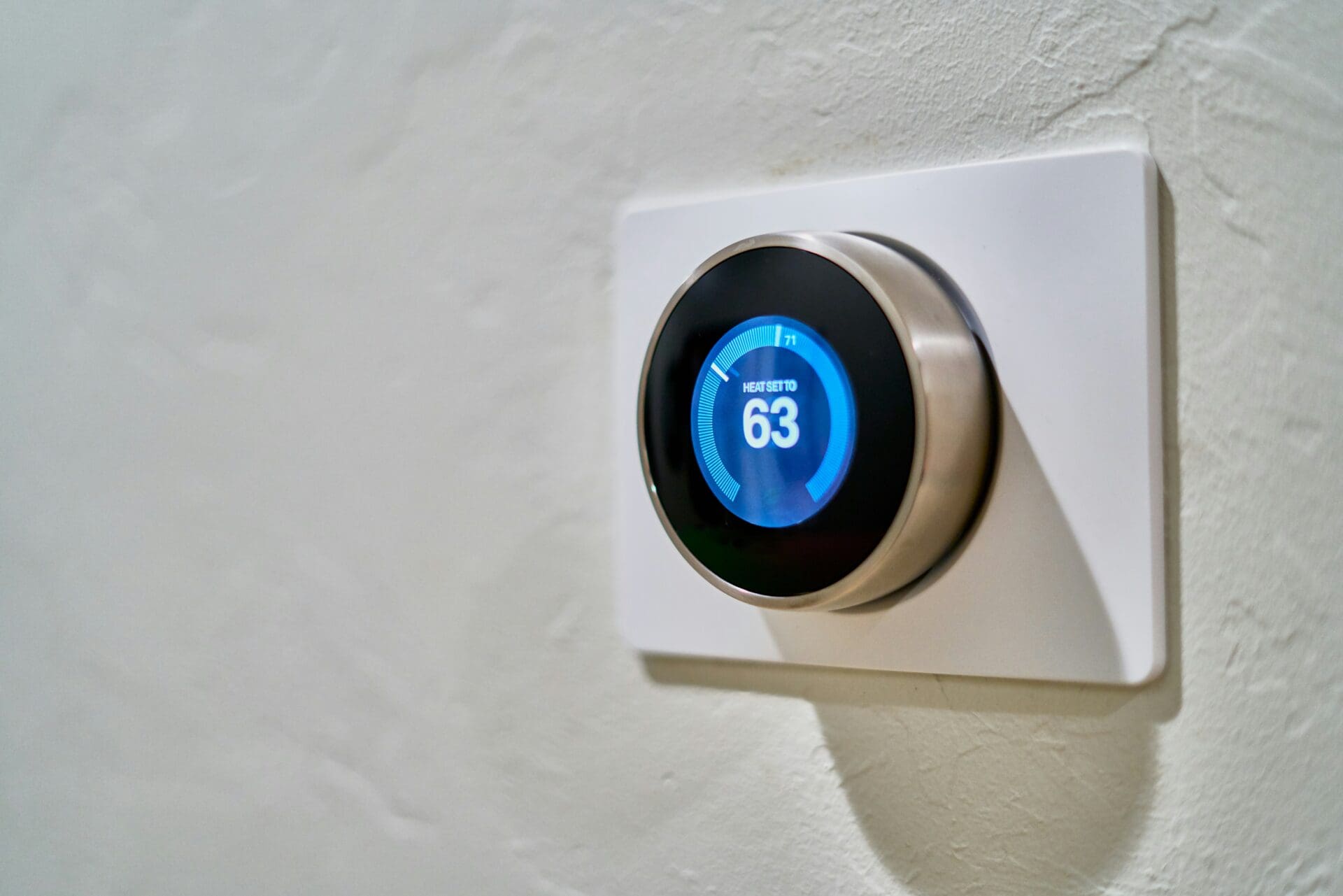
Use a Smart Thermostat
A Smart Thermostat goes beyond sticking to a pre-determined schedule; it learns your habits and adjusts the temperature accordingly, based on when you’re home, away, or asleep. These thermostats can also be controlled through your phone, so you can monitor the system from anywhere. Some models even use geo-fencing features to track your location to switch into energy-saving modes.
Change Your Filters
Dirty AC filters can restrict airflow. Best practices say to check your filters and change them every 3 months; however, if you’re experiencing issues with cooling or if you have pets with hair that can easily clog filters, monthly is recommended.
Create Envelopes or Enclosures within the Enclosure
Close doors if a room isn’t in use.
Look at Weather Stripping Around Doors and Windows
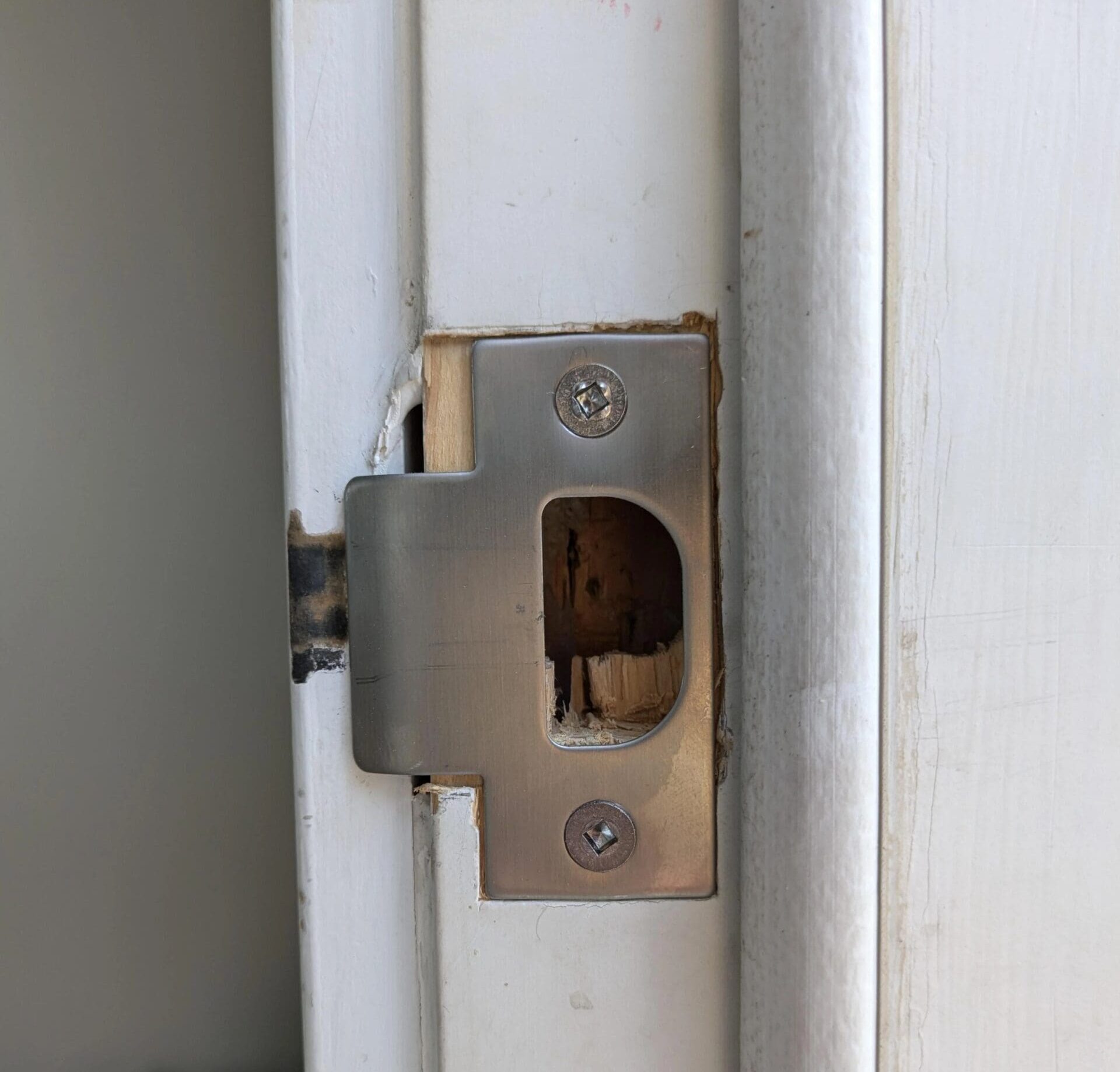
One of the most common areas we see heat creep in and cool air creep out is through small cracks and crevices on exterior doors and windows. Check out the strike plate on your doors. If it is loose, the door will not latch tight, allowing air to move through. Additionally, if there is a gap around the doors or windows, seal it using weather stripping.
Lock Windows
Unlocked windows allow for air movement through small cracks and openings that you don’t know are there.
Set Ceiling Fans to Spin Counterclockwise (as you look at them)
This pushes cooling breeze straight down into room, rather than pulling the cooler air up.
Only Open Windows when Outdoor Temperature Drops Below Indoor Temperature
This will allow for some natural cooling and will give your AC Unit a break. Be sure to close the windows before the temperature rises; this will prevent heat from sneaking indoors.
Cooling issues are something we all notice immediately. Even the smallest penetrations and openings in the building enclosure can make a large impact on the efficiency of your air conditioning system. From uncomfortable inside temperatures to the increased energy bills, these frustrations can show up in many ways.
If you are having issues with cooling your building or want to know if the heat is creeping in, contact us for some answers!